No products in the cart.
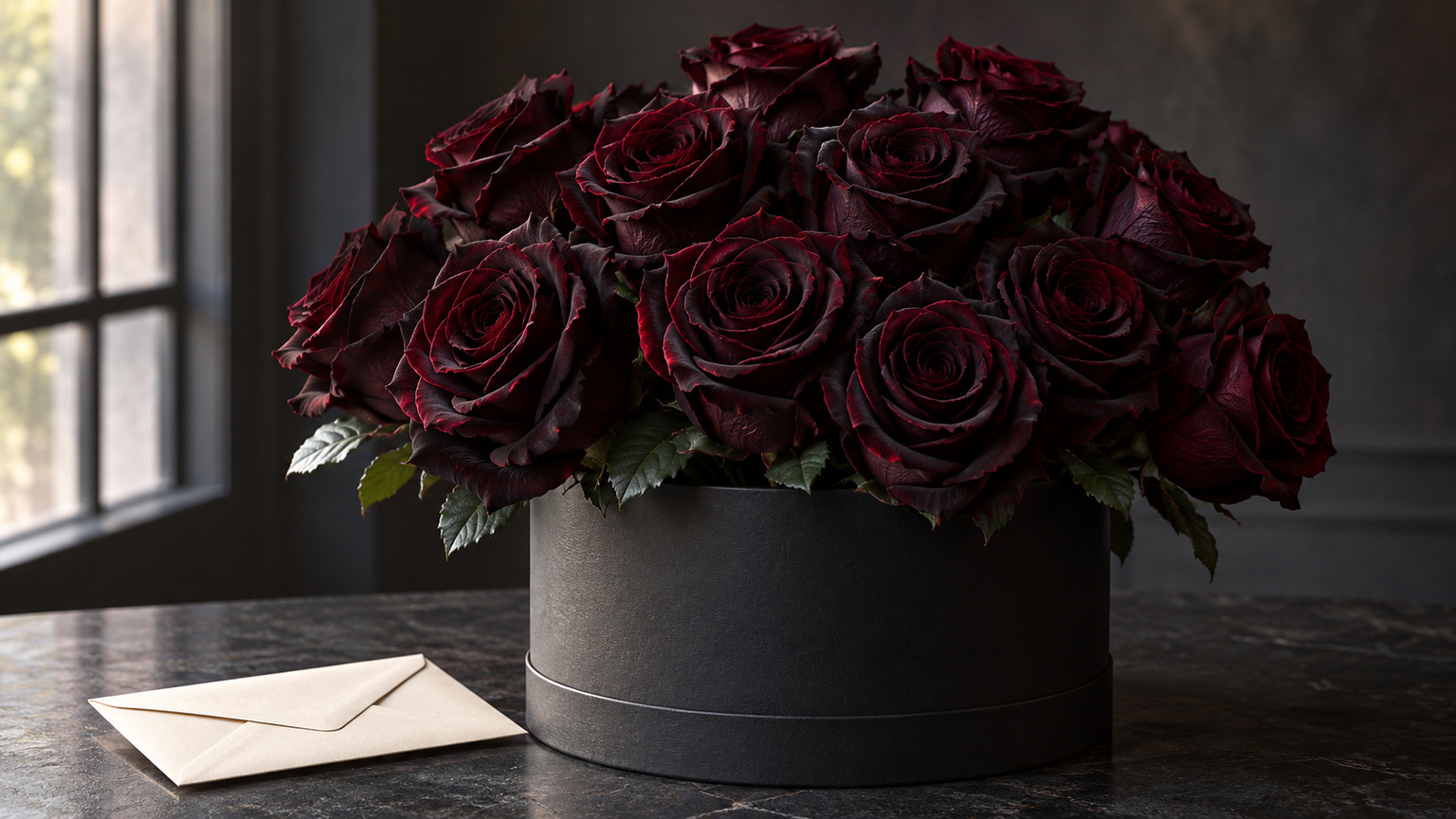
What do black roses mean?
Black roses can suggest change or courage, but the recipient may simply like the dark style. The flower colour, product name and box colour each need to be read separately.


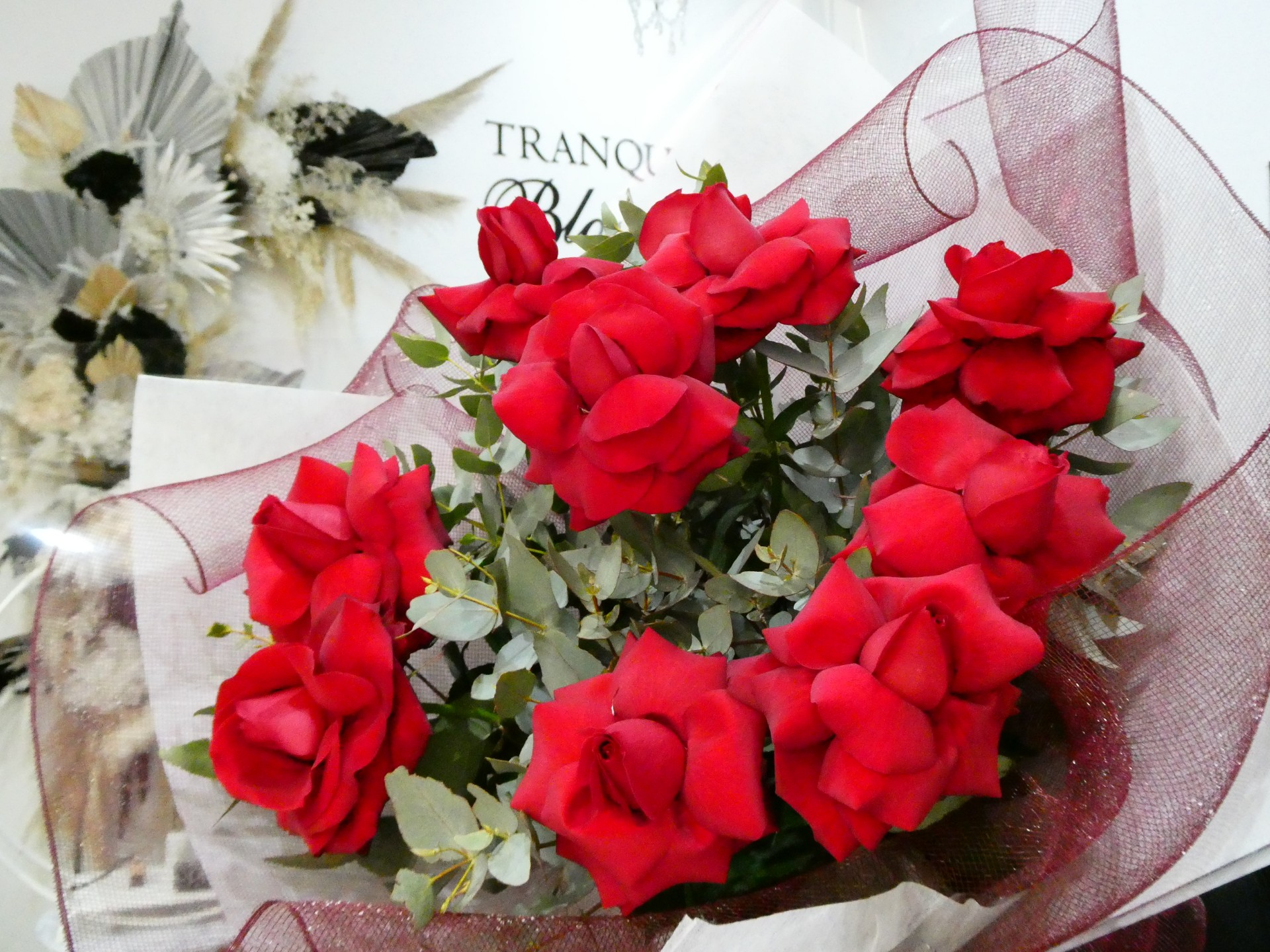
A woman in Frankston once ordered a dozen long-stemmed roses for her partner’s birthday. Beautiful arrangement. Rich reds, soft greens, wrapped with care. The delivery driver carried them into a busy open-plan office at 11am on a Tuesday.
Her partner loved the gesture. But for the next three hours, every person who walked past his desk had something to say about it. By lunch, he had fielded questions from his manager, two people from accounts, and a guy from IT he had never spoken to before.
The flowers were not the problem. The setting was.
That story comes up often among florists, including the team at Tranquil Blooms in Carrum Downs. After more than 15 years of wrapping, boxing and sending arrangements across Melbourne, they have seen the full range. Surprise deliveries that made someone cry with happiness. And surprise deliveries that made someone want to hide under their desk.
The difference almost never comes down to the flowers themselves. It comes down to context, location and a few small decisions made before the order is placed.
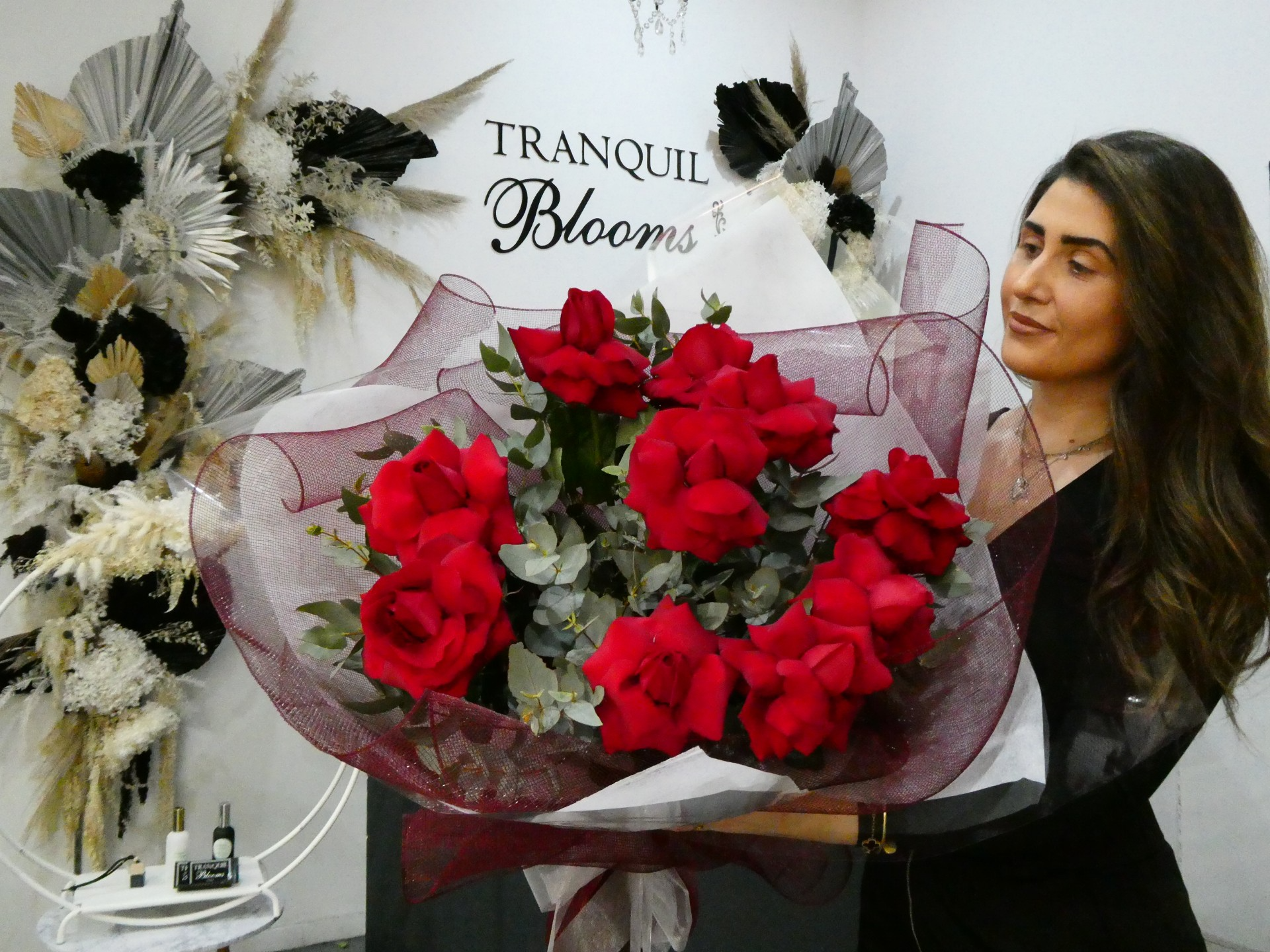
A surprise works when it lands in a space where the person can enjoy it on their own terms. It may fall apart when it turns into a public event they did not sign up for.
That means thinking less about what looks impressive and more about what feels comfortable for the person receiving it. A smaller bouquet delivered to someone’s front door late afternoon will almost always land better than a towering arrangement carried through a crowded reception area at peak hour.
If there is any doubt at all, there is a middle path that works well. Send the flowers, but give a simple heads-up beforehand. Something like: “A little something is on its way today. No need to rearrange your day.” That one line takes nothing away from the gesture. It just gives the other person a moment to prepare.
| Occasion | Best Delivery Spot | Timing That Works | Style and Size | Card Tone | Common Mistake |
|---|---|---|---|---|---|
| New relationship | Home (soft surprise) | After work or a day they are home | Smaller, simple palette, low scent | Light and specific, no pressure | Going too romantic too early |
| Workplace delivery | Reception or drop-off point | Mid-morning to early afternoon | Moderate size, tidy presentation | Warm but appropriate | An intimate card in a public setting |
| Birthday | Home or workplace | Morning for impact, afternoon for busy schedules | Bright or favourite colours, easy to carry | Personal and upbeat | Too large to transport later |
| Anniversary | Home | Late afternoon if they will be there | Tailored to their taste, not just red roses | Intimate but grounded | Turning it into a spectacle |
| Sympathy | Home (unless venue confirmed) | Daytime, avoid service times | Gentle tones, simple format, low fragrance | Sincere, no obligations | Something showy or attention-seeking |
| Thinking of you | Home | Any day they will be in | Calm palette, medium size | Supportive and brief | Making it sound like a crisis |
In the early stages of dating, surprise flowers can read as sweet or as far too much. There is a narrow window between thoughtful and intense, and the wrong call can change the energy of a new relationship overnight.
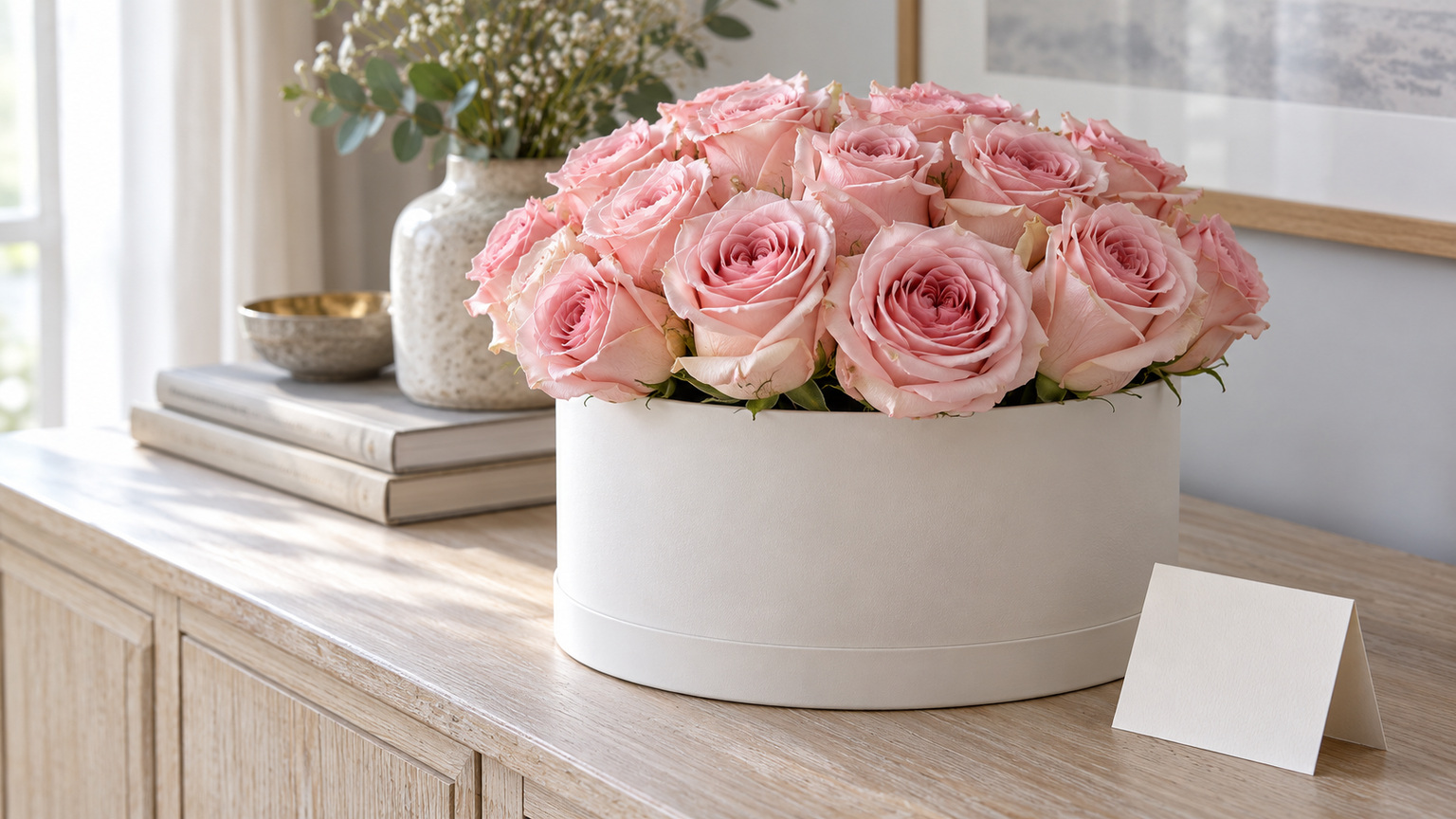
The safest approach is to keep it small and give the other person some breathing room. A compact arrangement in soft colours says more than a grand display ever could. Simple blooms, no heavy fragrance, nothing that demands a response.
For timing, home delivery after work hours tends to land well. And if there is any doubt, a short text beforehand takes the pressure off without spoiling anything.
The card matters here more than people realise. Keep it brief. Keep it specific. Avoid big declarations.
One line that works in almost every early-dating scenario: “No need to reply. I just wanted you to have a nice day.”


Sending flowers to a workplace is not a bad idea. But it needs a bit more planning than a home delivery.
Some people love it. They light up when the receptionist calls them to the front desk. Others would rather not have their personal life on display in front of their team, their boss, or the person from the next department who always has an opinion.
Birthdays are the lowest-risk surprise on the list. People expect something might arrive. The social script is already written. A knock at the door with flowers in hand is welcome in almost every case.
The main decisions are about timing and size. Morning deliveries create a nice start to the day, but only if the person will be home. For someone with an early commute or a school drop-off to manage, an afternoon delivery makes more sense.
One thing to consider: if the person will need to travel later in the day, a compact arrangement is more practical than something dramatic. Nobody wants to wrestle a metre-tall bouquet onto the 903 bus.
The best anniversary flowers are not the biggest or the most expensive. They are the ones that show the sender has been paying attention.
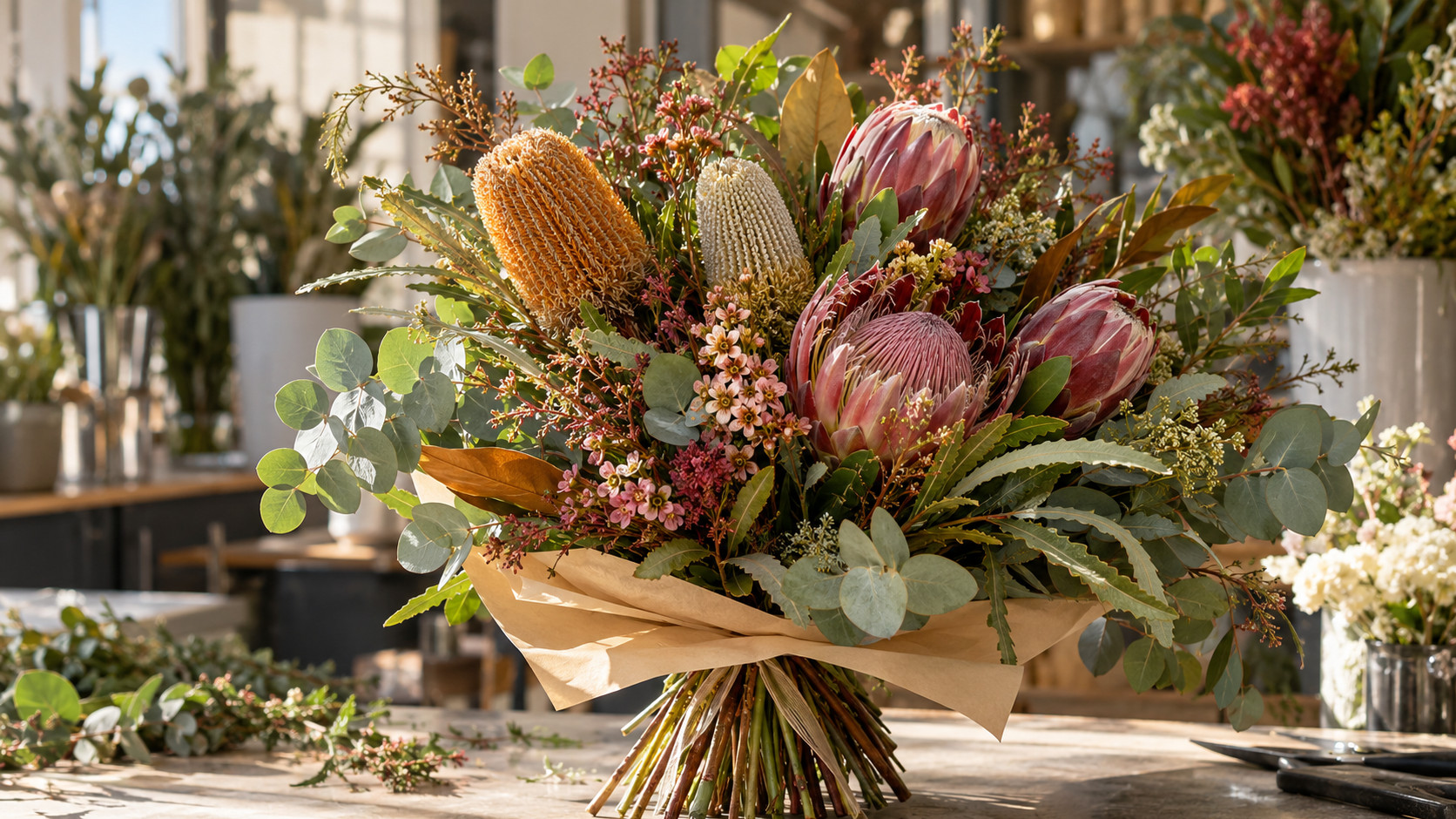
That might mean natives instead of roses because the person once mentioned they love banksia. It might mean soft pastels instead of deep reds because that is what fills their living room. It might mean something minimal and modern because that is the kind of thing they would choose for themselves.
Home delivery works best for anniversaries. It keeps the moment private. And if the sender will see the person later that evening, the flowers can set the tone for what comes next rather than trying to carry the whole occasion on their own.
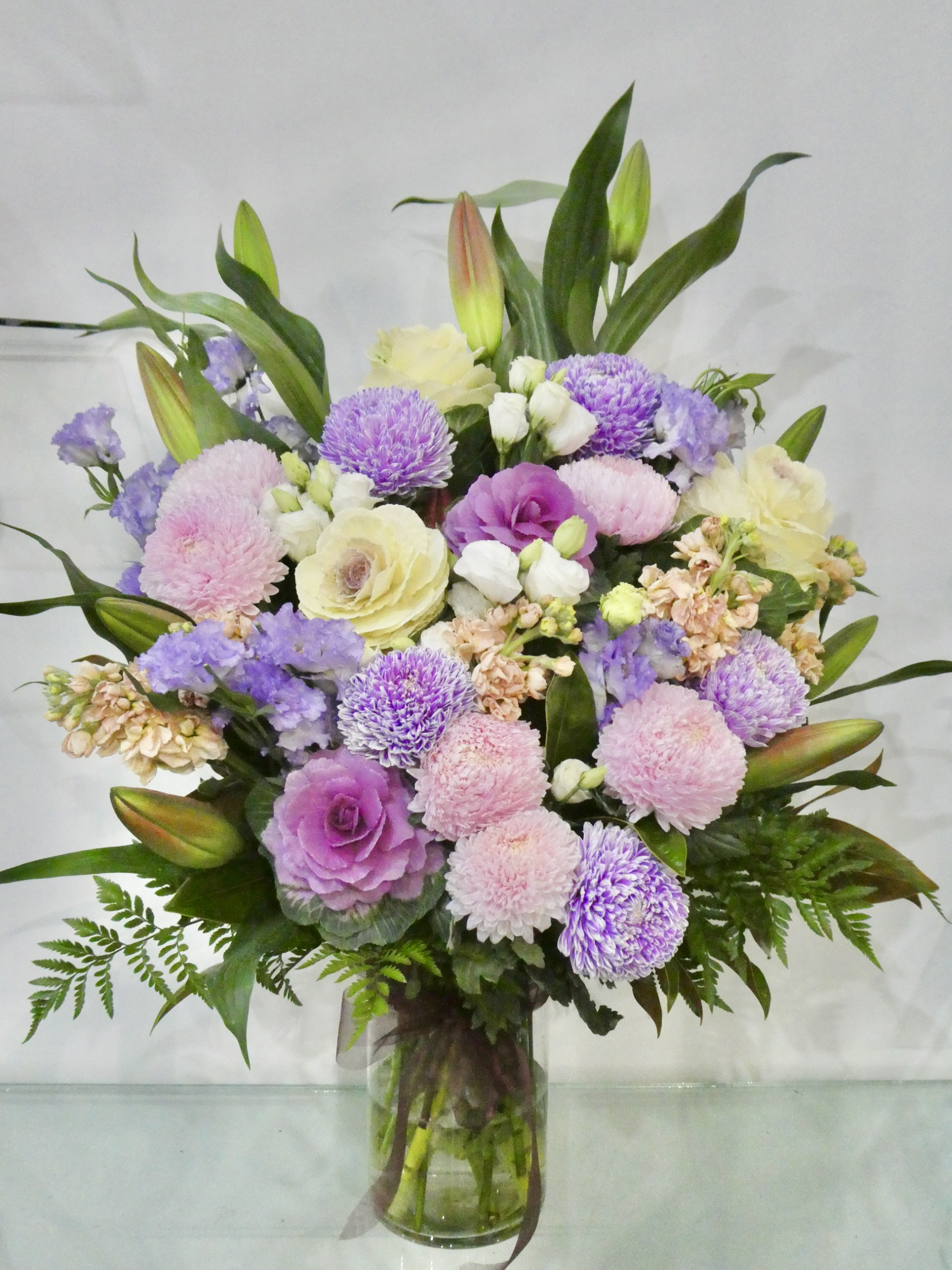
The card is not a speech. It is a small frame around the gesture. Two lines is almost always enough.
People overthink this part. They try to write something poetic or meaningful and end up with something that sounds like a greeting card from 1987. The best messages are specific, grounded and human.
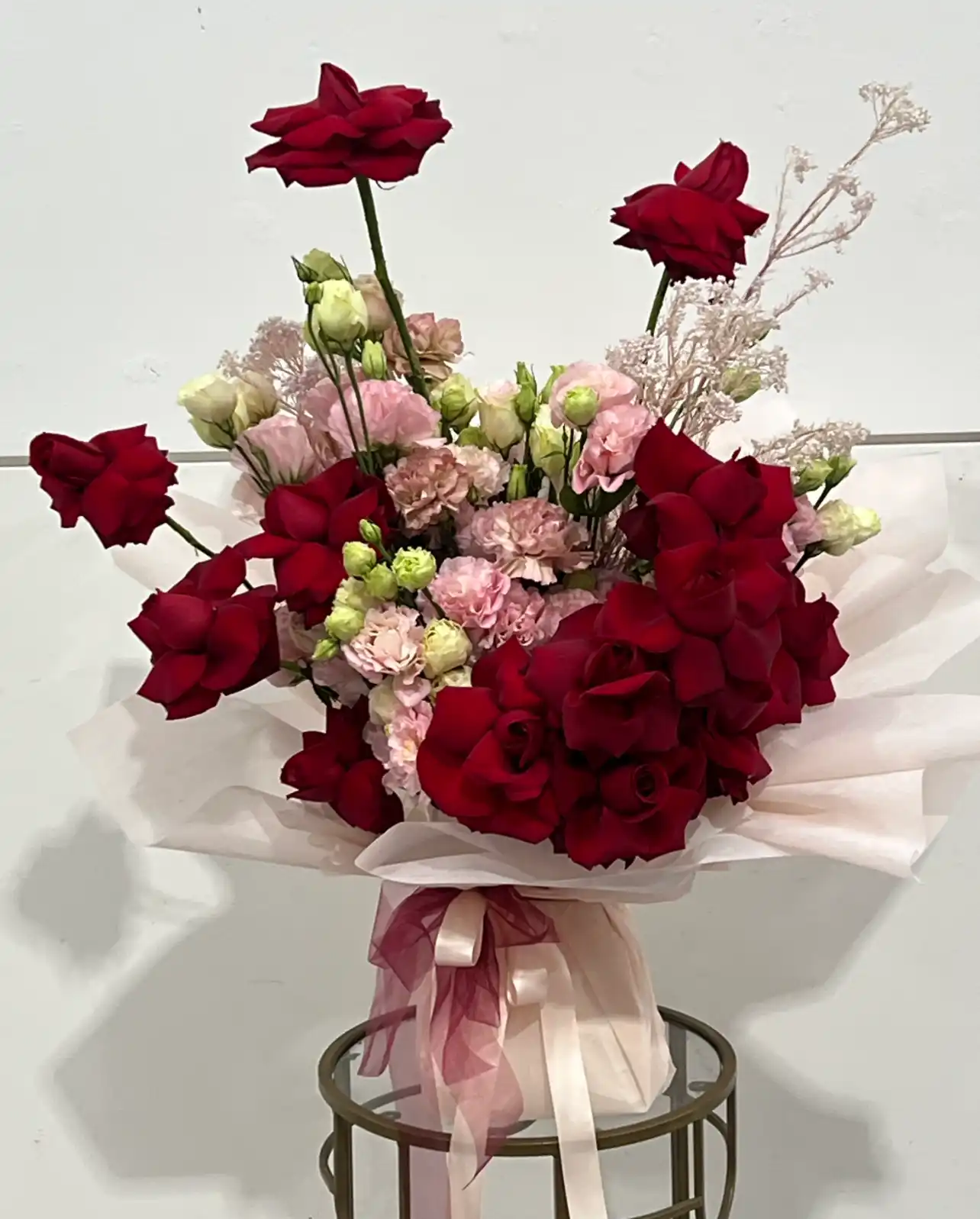
Lines that tend to land well:
What to leave off the card:
Most surprise deliveries that go wrong do not go wrong because of the flowers. They go wrong because of missing details.
A florist can build a stunning arrangement, but if the delivery address is missing a unit number, or there is no buzzer code, or nobody mentioned that the office has a loading dock entrance and not a front door, the gesture stalls before it starts.
One more thing worth knowing: on peak days like Mother’s Day and Valentine’s Day, delivery windows are wider and routes are heavier. If timing matters, ordering early and choosing a location with easy access makes a real difference.

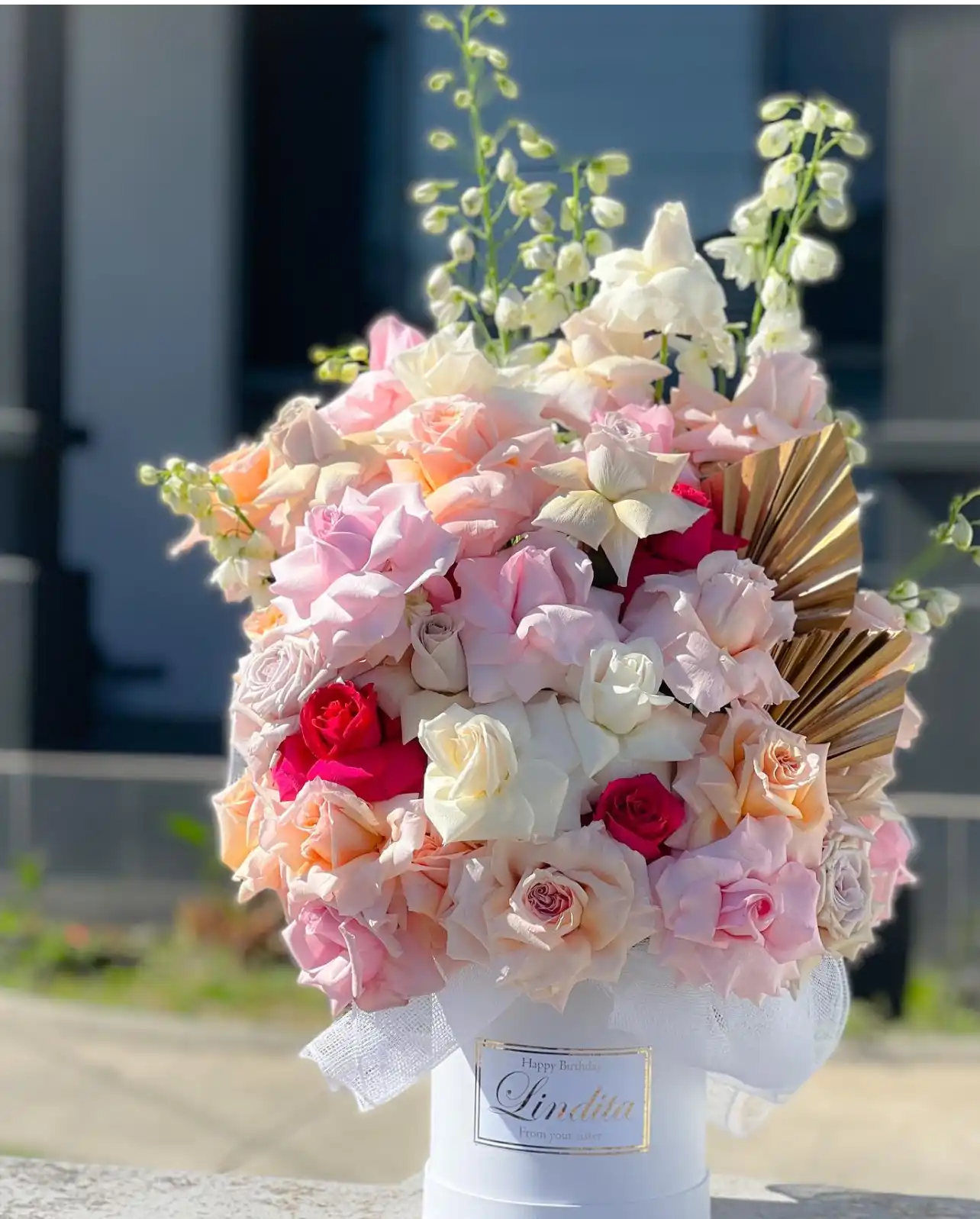
When placing an order, some customers ask for a specific flower by name and leave it at that. Others describe the feeling they want and let the florist do what they do best. The second approach almost always produces a better result.
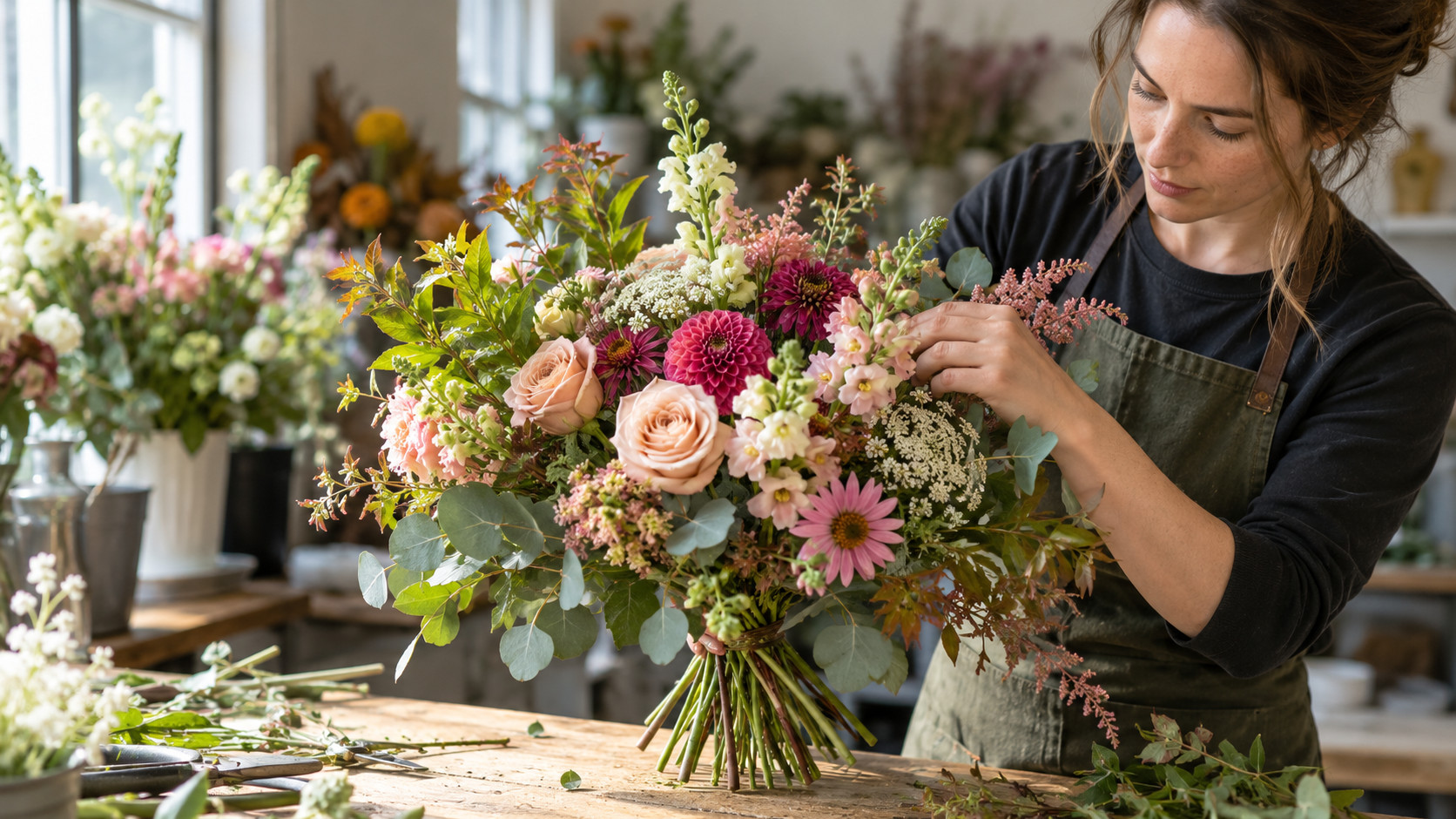
Fresh flower supply changes with the seasons. A particular bloom might be plentiful one week and gone the next. If the order is too rigid, there is no room to adapt. But if the customer describes the outcome they are after, the florist can work with whatever is at its freshest and best.
Three phrases that give a florist everything they need:
“Soft colours, not too tall, low fragrance.”
“Bright and cheerful, something modern.”
“Simple and respectful. Nothing bold.”
The team at Tranquil Blooms handles these conversations every day at their shop in Carrum Downs Regional Shopping Centre or over the phone on (03) 9782 0077. With more than 20 years of floral experience, they know how to translate a feeling into an arrangement. Describing the mood gives them room to do their best work.
Flowers are living things. How they are handled in the first hour after arrival shapes how long they last.
On a warm Melbourne day, a bouquet left sitting on a front porch or in the back seat of a car can start to wilt before the person even sees it. Direct sun, heat and stale water all cut vase life short.
If the flowers are a surprise, there is not much the sender can do about this. But a short follow-up text after the delivery window can help. Something like: “Hope they arrived safely. Get them into fresh water when you can.” It is practical, it is caring, and it gives the person the best chance of enjoying the arrangement for days rather than hours.
Some flowers are toxic to cats and dogs. Lilies are the most well-known risk, but they are not the only one. If the person receiving the flowers has pets, it is worth mentioning that to the florist at the time of ordering. They can adjust the arrangement to avoid anything harmful.
If a pet does get into the flowers, the best step is to move the arrangement out of reach and seek advice straight away. In Australia, the Poisons Information Centre is available through Healthdirect for guidance.
Surprise flowers are one of the most generous everyday gestures a person can make. They do not need to be expensive or elaborate. They just need to arrive at the right place, at the right time, with the right message attached.
Think about where the person will be. Think about how they will feel when the flowers show up. Think about what the card says and whether it fits the relationship. Get the small details right, and the flowers will do the rest.
Browse the full range of flowers and arrangements at Tranquil Blooms, or get in touch with the team if a particular occasion needs a personal touch. Whether it is a birthday, an anniversary, a sympathy arrangement or something sent just because, they can help get it right.

Not always. It works best when the recipient likes surprises and the delivery location is private or low-pressure. If you’re unsure, a soft heads-up can keep it comfortable.
It can be appropriate, but consider privacy and workplace culture. If you think attention could make them uncomfortable, home delivery is often kinder.
Full address, unit number, access notes (gate codes, concierge), business name for workplaces, and a contact number for the recipient if possible.
Keep it short and sincere, and avoid anything that demands a reply. A simple “Thinking of you” is often enough.
Choose a smaller arrangement, keep the message light, and consider giving a brief heads-up so they’re not put on the spot.
Morning can feel special, but only if you’re confident they’ll be available. Afternoon can suit people with busy mornings or early commutes.
They can be, depending on the recipient and where the flowers will be delivered. If you’re unsure, ask for low-scent options and avoid heavy fragrance for workplaces and hospitals.
Move the flowers out of reach and seek advice quickly. In Australia, you can contact the Poisons Information Centre via Healthdirect: https://www.healthdirect.gov.au/poisons-information-centre