Flowers are often chosen for the moment rather than the setting.
A birthday, a thank you, a quiet gesture. What is easy to forget is where the arrangement will actually live. A generous bouquet can overwhelm a dining table. A loose design can disappear in a large entryway. Space shapes how flowers are experienced, long after the occasion has passed.
Florists think in proportion before they think in stems. Size, height and structure usually matter more than flower variety. When flowers suit the space they are placed in, they tend to feel deliberate rather than decorative.
Why scale matters more than flower choice
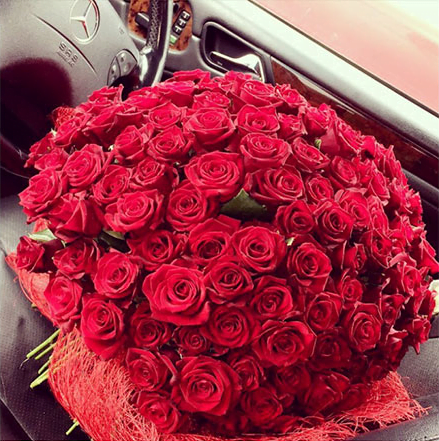
One of the most-ordered designs pairs Oriental lilies with a dozen roses, a mix that manages to feel both elegant and grounded. The lilies open slowly, revealing fragrance and shape over several days, while the roses offer warmth and colour from the start.
It’s a combination often chosen for anniversaries or major milestones, but it appears in condolence deliveries, too. The florists say the pairing works because it feels honest — a balance of presence and restraint.
“Lilies give structure and movement,” says one of the team. “Roses fill the space with colour and meaning. Together they hold their own for a week or more if you care for them.”
Dining tables need restraint
Dining tables are shared spaces. Flowers sit among plates, glasses and conversation. Height becomes the critical factor.
Tall arrangements interrupt sightlines and become awkward once people sit down. Lower designs allow flowers to exist alongside the meal rather than dominate it.
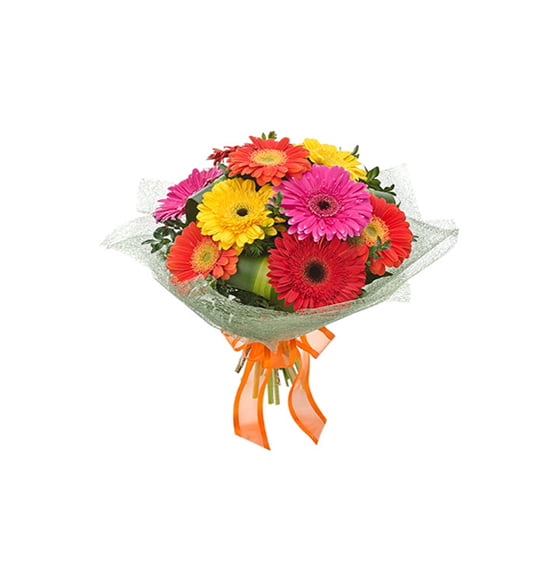
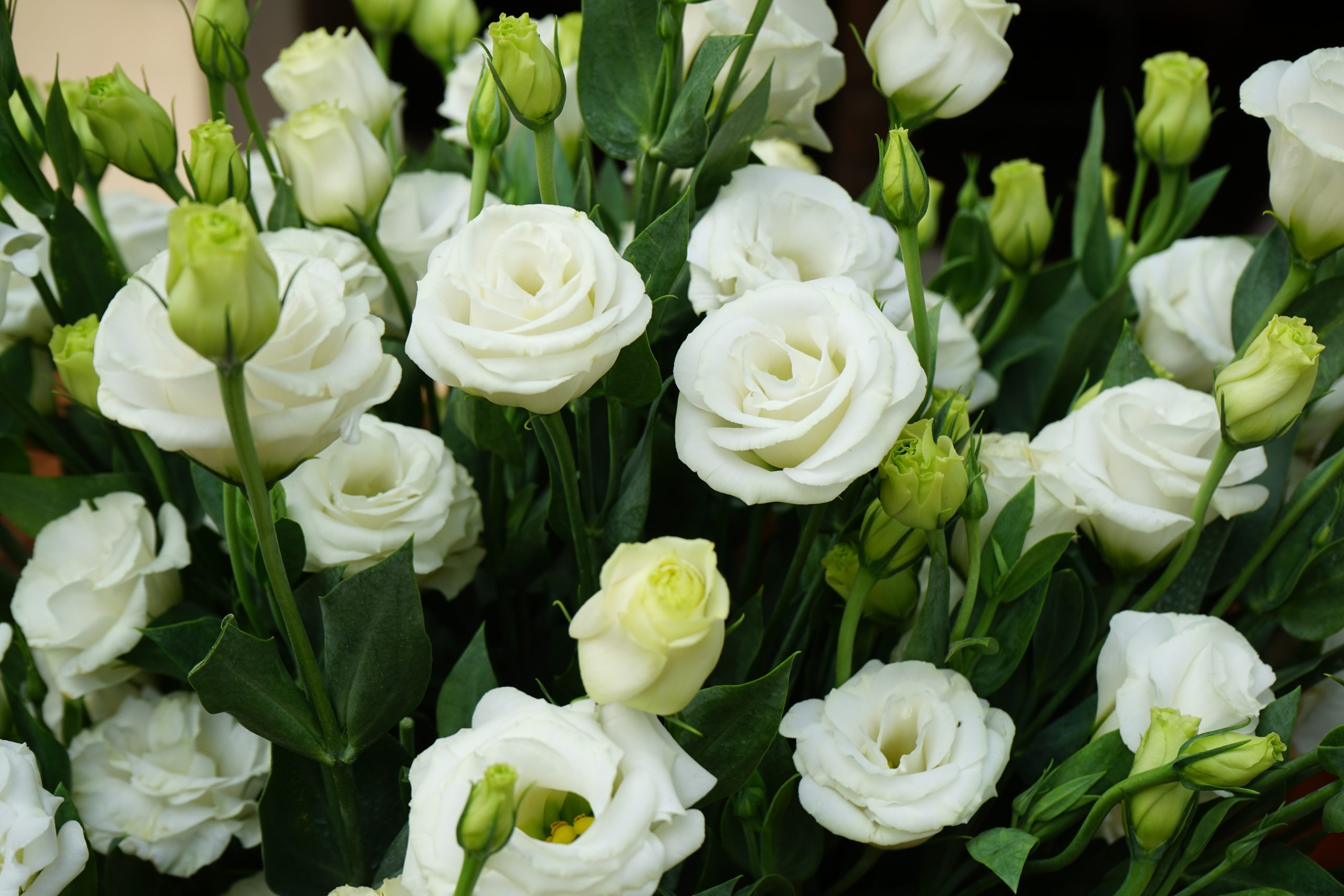
A compact arrangement such as the Carnivale Bouquet works well here because it provides colour and presence without blocking views across the table. Its size allows it to be enjoyed throughout a meal rather than moved aside.
What works well on dining tables
What often causes problems
Entryways benefit from structure
An entryway is transitional. People pass through it rather than linger. Flowers here are usually seen from a distance, often in motion.
This is where structure matters. Upright arrangements with clear lines tend to register more clearly as people enter or leave a space.
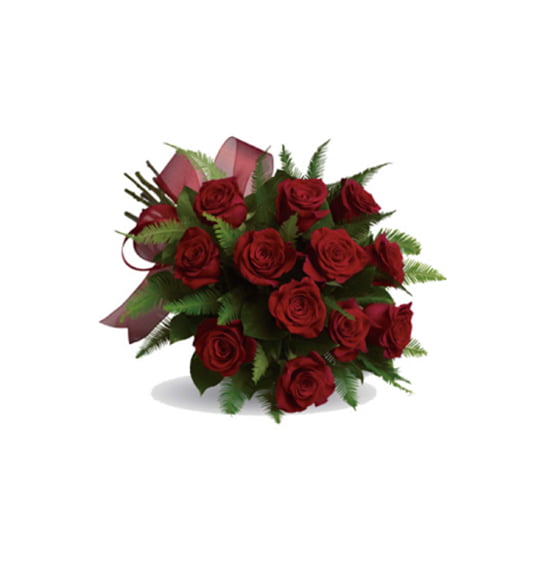
A classic, vertically structured design like True Beauty, with its defined rose form, suits this role well. The shape holds its presence in a hallway or foyer without needing additional styling.
Entryway arrangements work best when they feel anchored, not casual. Too loose and they can look unsettled in a space that already has movement.

Living rooms reward balance
Living rooms are lived in. Flowers here are seen at different times of day and from different angles. They sit alongside furniture, artwork and changing light.
Balance matters more than size. Arrangements that are too small fade into the background. Oversized designs can interrupt the room’s flow.
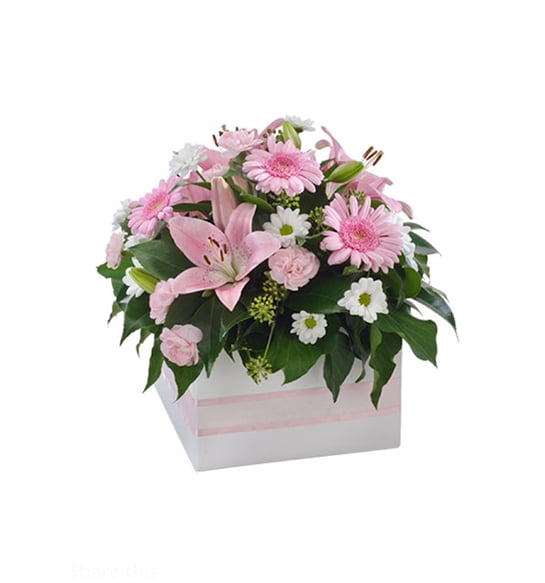
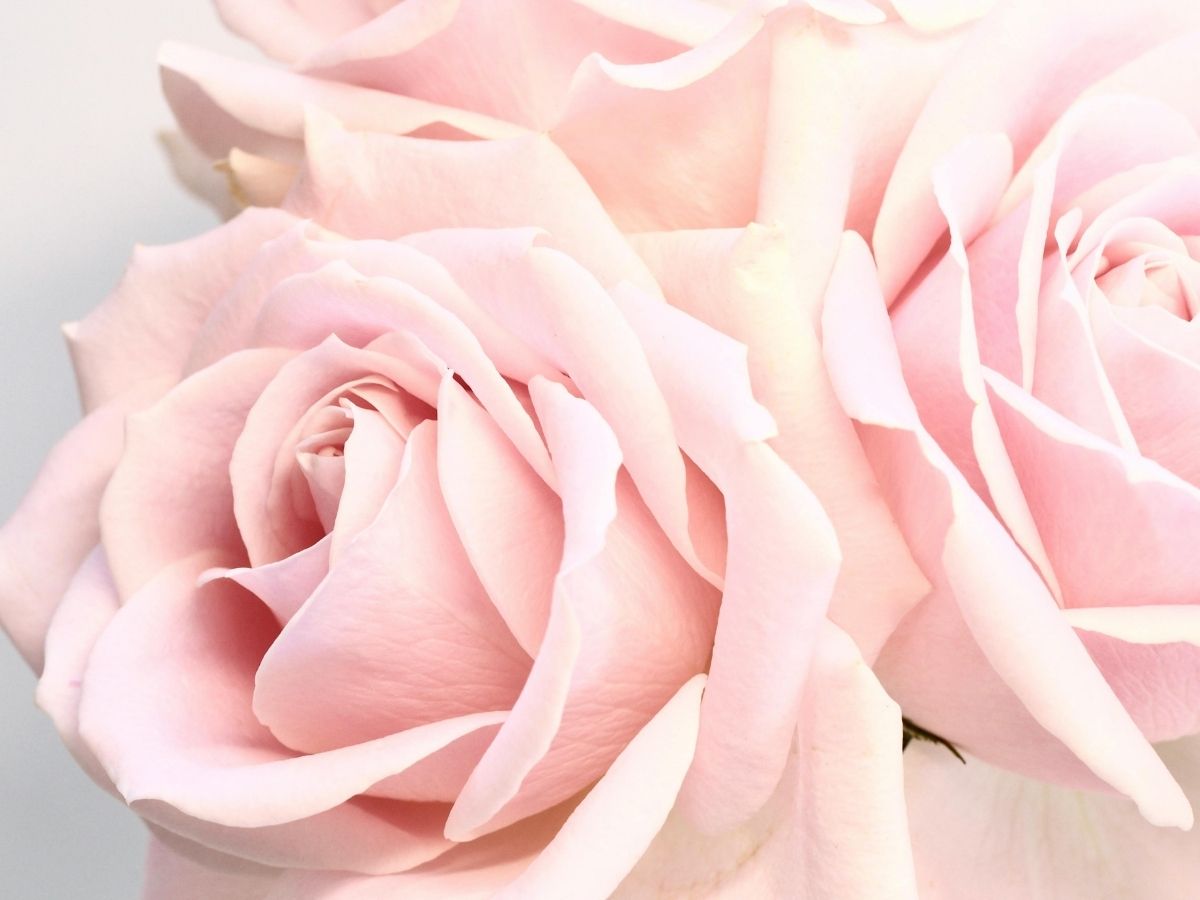
A mixed arrangement such as Softness sits comfortably in this middle ground. Its proportions allow it to hold attention without becoming the room’s focal point.
Living room flowers should feel like part of the environment rather than an event piece placed temporarily in the space.
Offices and reception areas are about clarity
In professional settings, flowers often communicate care and attention rather than celebration. Clean lines and contained forms tend to work best.
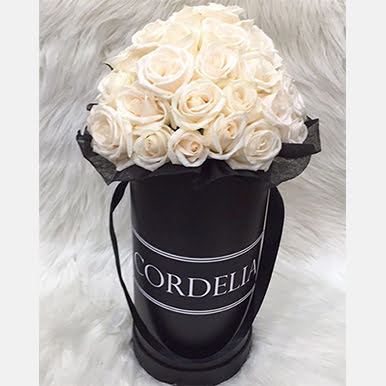
Boxed arrangements like the Champagne Roses Black Box offer a controlled silhouette that suits reception desks and office environments. They photograph well, age predictably, and do not visually compete with the space around them.
These designs tend to hold their shape over time, which matters in settings where flowers may be seen repeatedly over several days.
Matching flowers to space at a glance
| Space | What works | What often does not |
|---|---|---|
| Dining table | Low, compact arrangements | Tall centrepieces that block views |
| Entryway | Upright, structured designs | Loose arrangements that lose shape |
| Living room | Balanced proportions | Very small or oversized designs |
| Office or reception | Clean lines, contained forms | Highly fragile or sprawling styles |
| Small rooms | Intentional groupings | Wide, unfocused bouquets |
Letting the space lead the choice
This is why florists often ask where flowers are going before deciding how to design them. The space gives the arrangement its role.
Choosing flowers with that in mind usually leads to designs that feel settled, appropriate and easier to live with. They do not ask for attention. They earn it.
FAQ about Flowers to fit the space
Not always. Flowers that suit the proportions and layout of a room tend to feel more appropriate over time than arrangements chosen only for the occasion.
Height interferes with sightlines and conversation once people are seated. Lower arrangements allow flowers to be enjoyed without disrupting the table.
No. Boxed arrangements work well in offices and reception areas because their shape is contained and predictable, which suits professional environments.
Compact arrangements with a clear shape usually work best. Wide or sprawling bouquets can overwhelm smaller spaces and make them feel crowded.
Thinking about the space first usually leads to better results. Scale and placement influence how flowers are experienced more than flower type alone.