The Bouquet That Cleared a Boardroom
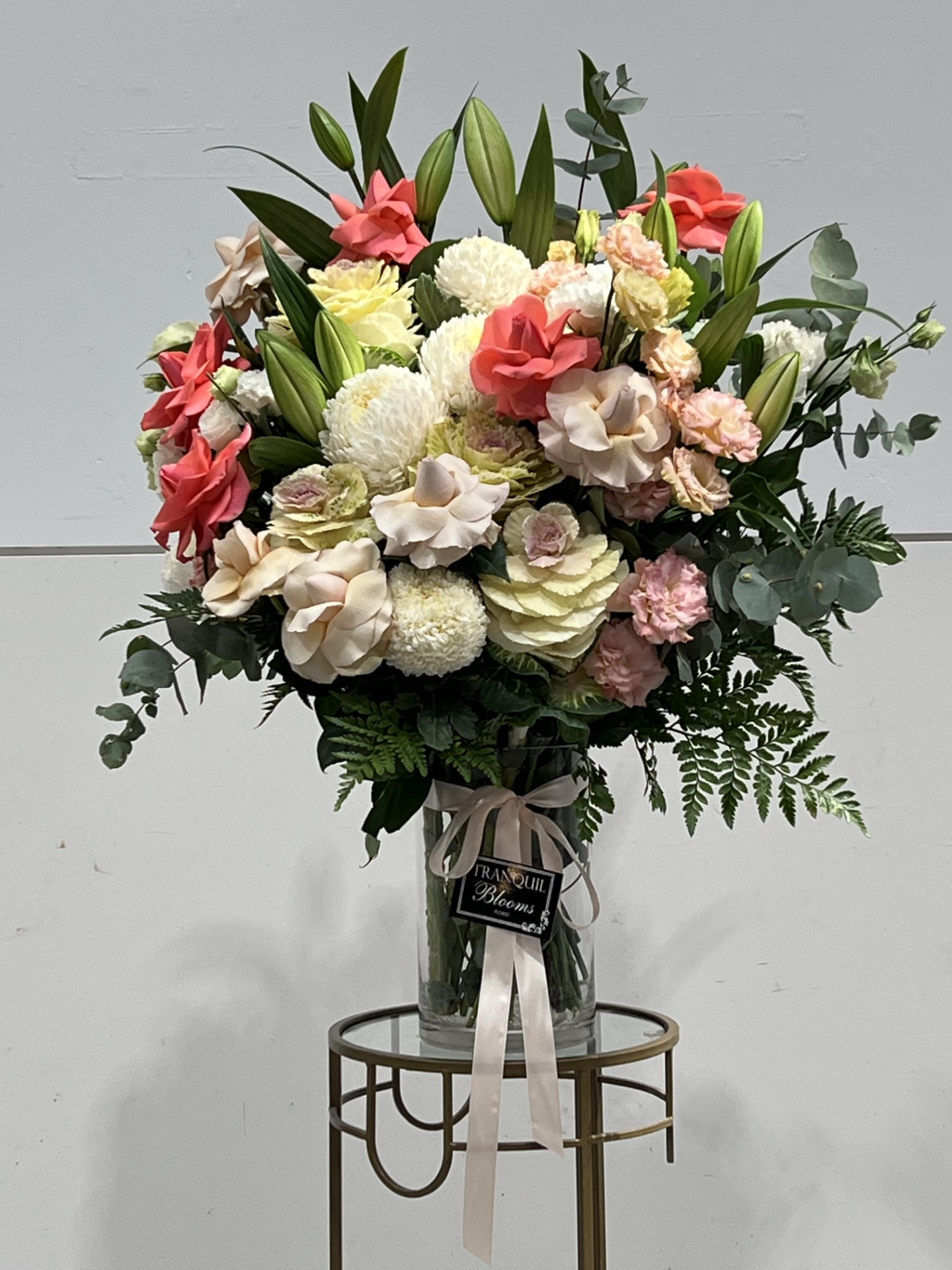
A marketing team in Richmond once received a thank-you arrangement from a client. Gorgeous thing. Tall stems, bright colours, a generous mix of lilies and freesias packed into a glass vase. It sat on the shared table near the kitchen.
Within an hour, two people had moved to the far end of the office. By mid-afternoon, someone had carried the whole arrangement into the stairwell. The flowers were beautiful. The fragrance was not.
It is one of those situations that nobody wants to create and nobody wants to be part of. A generous gesture lands in a shared space, and instead of brightening the room, it empties it.
The team at Tranquil Blooms in Carrum Downs hears versions of this story more often than people might expect. After more than 20 years working with flowers, they know that fragrance is one of those details most people forget to think about until it becomes the only thing anyone can think about.
The good news is that low-scent arrangements are not some sad compromise. They can be just as lush, just as colourful, and just as striking as anything else on the shelf. The trick is knowing what to ask for.
Why Scent Catches People Off Guard
Most people choose flowers based on colour, size and occasion. Fragrance barely enters the conversation. But in a closed room with recycled air, a single stem of oriental lily can fill the space the way a speaker fills a meeting room when the volume is too high.
It is not just allergies. Some people get headaches from strong floral scent. Others find it triggers nausea or sensory overload, especially in open-plan offices where there is nowhere to move. And warm rooms make everything worse. A bouquet that smells pleasant in a cool florist shop can become overpowering once it sits next to a north-facing window for a few hours.
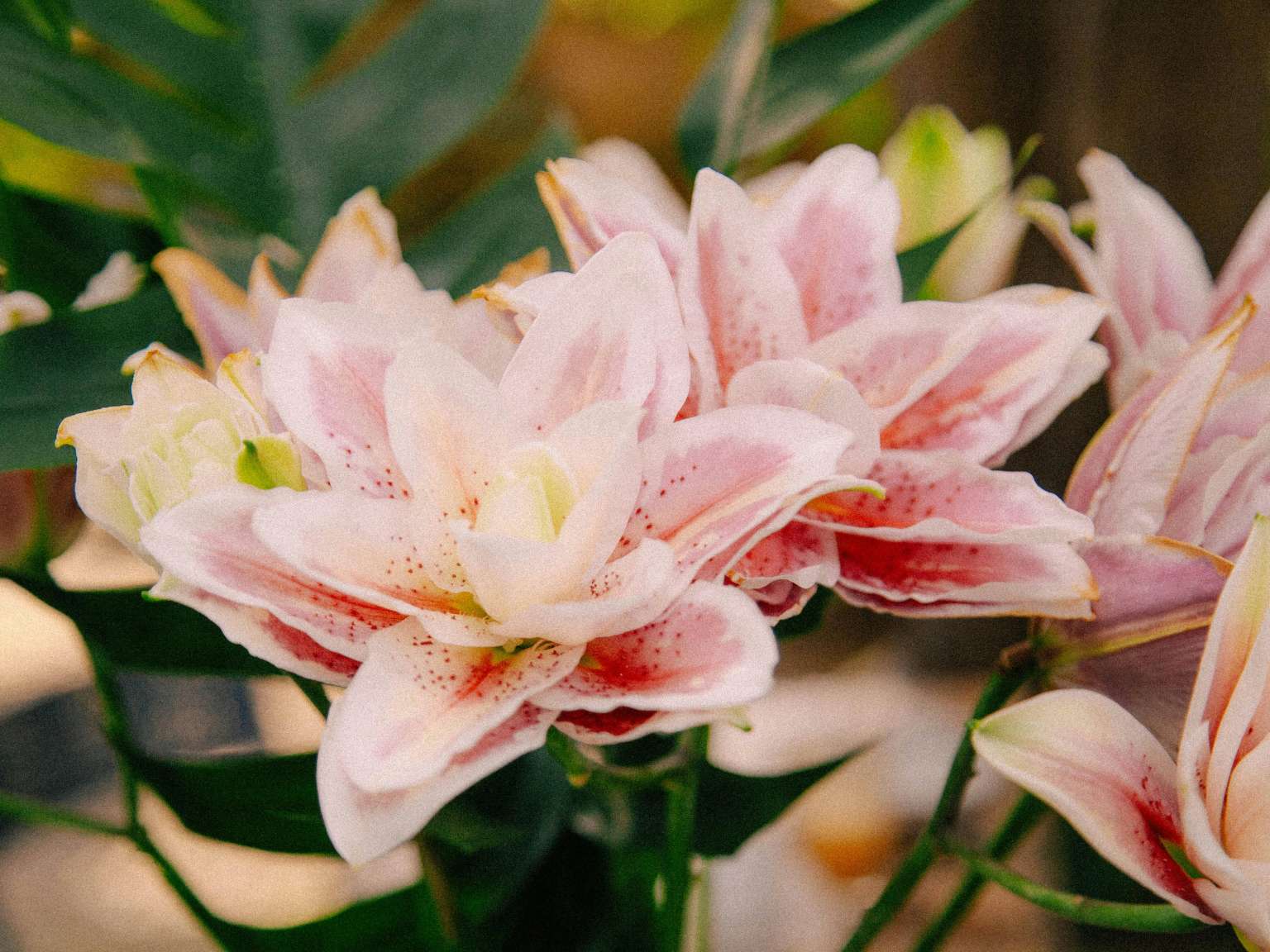
There is also the pollen question, which is separate from fragrance but often gets lumped in with it. Hay fever is usually triggered by airborne pollen from grasses, weeds and trees rather than the heavier pollen that comes from most cut flowers. But some blooms, lilies being the classic example, drop visible pollen onto desks, shirts and tablecloths. That is less of a health issue and more of a dry-cleaning issue, but in a workplace it still matters.
The Flowers That Tend to Play Nice

Flowers that are often a safe starting point:

Flowers to use with more caution in sensitive spaces:
Matching the Arrangement to the Space
This table gives a starting point for matching the arrangement to the setting.
| Setting | What to Ask For | Flowers That Often Suit | What to Avoid | Worth Knowing |
|---|---|---|---|---|
| Open-plan office | Low fragrance, compact, tidy | Orchids, tulips, hydrangea, lisianthus, gerberas, many roses | Strongly perfumed blooms or anything that sheds visible pollen | Clean shapes and moderate size work best in shared spaces |
| Reception desk | Low fragrance, long-lasting, easy care | Orchids, hydrangea, chrysanthemums, some roses | Wide arrangements that block sightlines | Ask for a stable base that will not tip easily |
| Small apartment or bedroom | Low fragrance, not too dense | Tulips, orchids, lisianthus, hydrangea, many roses | Heavy perfume blooms that dominate a small room | Warm rooms amplify fragrance, especially overnight |
| Allergy-aware household | Minimal pollen shed, low fragrance | Many roses, orchids, hydrangea, tulips | Pollen-heavy flowers or very mixed bouquets | Hay fever is often triggered by outdoor pollen, but indoor comfort still matters |
| Unknown preferences | Neutral palette, low fragrance | Orchids, tulips, hydrangea, lisianthus | Highly perfumed or highly symbolic choices | A neutral, modern mix is one of the safest first sends |
| Needs to travel home | Compact, sturdy stems | Roses, chrysanthemums, orchids, some natives | Very tall or very delicate stems | Choose durability over drama |
How to Talk to a Florist About Scent
The most useful thing a customer can do is describe the outcome, not dictate the flower list.
Saying “no lilies” is specific, but it only solves one problem. Saying “low fragrance, minimal pollen, office-friendly” solves all of them at once and gives the florist room to work with whatever is freshest and best on the day.
Three phrases that cover most situations:
- “Low fragrance, minimal pollen, office-friendly size.”
- “Compact and lush, but nothing strongly perfumed.”
- “Something bright and cheerful that will not overpower a small room.”
This approach works especially well when seasonal supply shifts. A particular bloom might be ideal one week and unavailable the next. If the order describes a feeling rather than a recipe, the florist can adapt without the result losing anything.
The team at Tranquil Blooms works through these conversations daily at their shop in Carrum Downs Regional Shopping Centre. Whether the order comes in person or over the phone on (03) 9782 0077, a quick note about scent sensitivity is all they need to steer the arrangement in the right direction.


Size Matters More Than People Think
A bouquet that looks perfectly proportioned inside a florist shop can feel like a lot once it lands on someone’s desk or kitchen bench.
For offices, moderate is almost always better. Something that sits neatly on a surface, does not block the person behind the monitor, and does not become the centrepiece of a room that already has its own centrepiece. Tidy shapes and contained proportions tend to be more welcome than towering arrangements that need their own postcode.
For small apartments, the same principle applies. Dense, compact designs deliver colour and impact without taking over the bedside table. And if the person will need to carry the flowers home at the end of the day, a smaller arrangement is not just more practical. It is more considerate.
The Allergy Question Is More Nuanced Than People Realise
There is a common assumption that flowers cause hay fever. In most cases, they do not. Hay fever is usually triggered by fine, airborne pollen from grasses, weeds and trees. The heavier pollen produced by most cut flowers does not travel through the air the same way.
That said, some people are sensitive to indoor irritants, including fragrance and pollen that settles on surfaces. For those households, the safest approach is to keep the arrangement simple, the fragrance low, and the placement in a well-ventilated area away from where the person sleeps or works.
If the recipient has a history of severe reactions, the thoughtful move is to ask them what they prefer before ordering. A “soft surprise” (a quick heads-up that something is on its way) still counts as generous. It just adds a layer of care that the person will appreciate more than any bloom could.
For general information about pollen allergies and symptoms, Healthdirect provides a clear, reliable overview.

A Note About Pets and Small Children
Some flowers are toxic to cats and dogs. Lilies are the most well-known risk, but they are far from the only one. If the person receiving the flowers has pets, it is worth mentioning that when ordering. A good florist will adjust the design to avoid anything harmful.
Placement matters too. A vase on a dining table might be out of reach for a dog but not for a cat with a running start. Petals and leaves that drop onto the floor can end up in places nobody planned for.
If a child or pet does get into the flowers, move the arrangement out of reach and seek advice straight away. In Australia, the Poisons Information Centre is available around the clock on 13 11 26, or through Healthdirect’s poisoning guidance.

Low Scent Does Not Mean Low Impact
There is a perception that asking for low-fragrance flowers means settling for something less. That is not how it works.
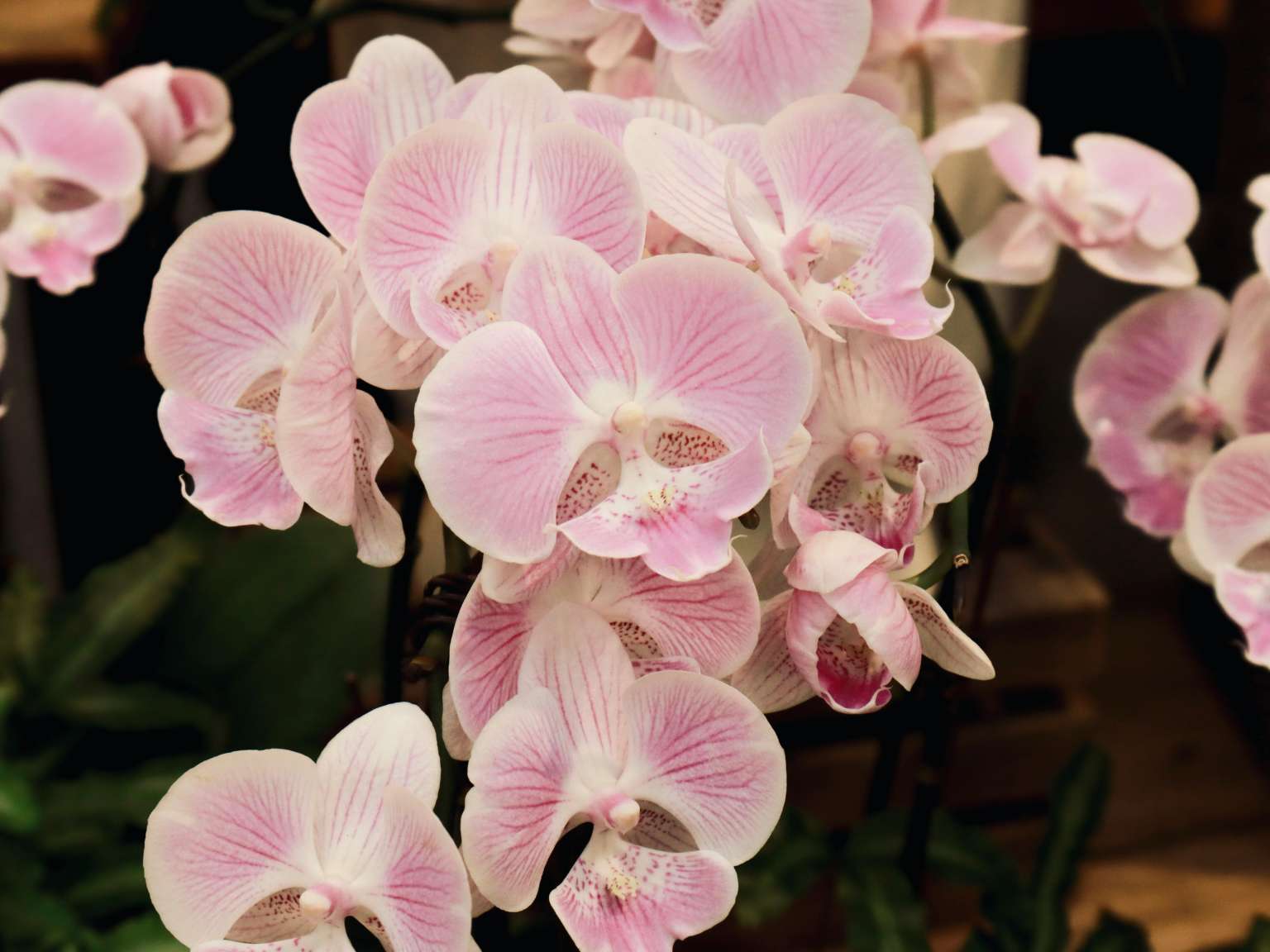
Some of the most visually striking arrangements on a florist’s bench are built entirely from low-scent blooms. A cluster of deep purple lisianthus, white hydrangea and soft green foliage can stop someone mid-step without producing any noticeable fragrance at all. A single phalaenopsis orchid in a clean ceramic pot can sit on a desk for weeks, looking elegant and costing the room nothing in comfort.
The best low-scent designs lean into texture, colour and shape instead of relying on fragrance to carry the experience. They are flowers for rooms where other things are happening. Where people are working, talking, cooking, sleeping. The arrangement sits in the background and makes the space better without demanding attention.
That is not a compromise. That is good design.
How do you choose flowers for a scent sensitive space?
Choosing flowers for a scent-sensitive space is not complicated. It just takes one conversation with the florist and a few words about what the room needs.
Describe the outcome. Mention the setting. Note any sensitivities. And let the florist do what they are trained to do.
Browse the full range at Tranquil Blooms, or get in touch if a particular situation needs a personal recommendation. Whether it is a birthday arrangement heading to an office, a thank-you gift for someone who gets migraines, or flowers for a home with two curious cats, they can help find the right fit.
FAQ
Orchids, tulips, hydrangea, lisianthus and many roses are often good starting points. Fragrance varies by variety and room temperature, so request “low fragrance”.
Not always. Hay fever is often triggered by outdoor pollens from grasses, weeds and trees. Some people are still sensitive to indoor irritants, so choose low fragrance and minimal pollen shed.
Some do, some don’t. Many commercial rose varieties are mild, while some garden-style roses can be strongly scented. If scent matters, specify “low fragrance”.
Ask for a compact, neutral arrangement with low fragrance and minimal pollen drop. It’s a safe default for offices and small homes.
Yes. For some people, fragrance can be an irritant. A low-fragrance request is sensible if headaches are a concern.
Some lilies can be strongly scented and may drop visible pollen. If you’re sending to a workplace or a scent-sensitive person, it’s usually better to request low-fragrance, minimal-pollen options.
Request “minimal pollen drop” and choose tidy, compact arrangements that are less likely to shed onto surfaces.
Move the flowers out of reach and get advice quickly if you’re concerned. In Australia, call the Poisons Information Centre on 13 11 26. https://www.healthdirect.gov.au/poisoning