The phone call comes in the middle of something ordinary. A colleague at lunch. A neighbour hanging washing. A cousin driving home from school pick-up. Someone has died, and the first impulse, after the shock settles into something solid enough to act on, is to send flowers.
It is one of the oldest gestures in the book, and also one of the most misunderstood. Not because people choose the wrong blooms or write the wrong card. Because most people are unsure where the flowers should go.
Should they be sent to the funeral venue, addressed to the family and timed for the service? Or should they arrive at the front door a few days later, when the visitors have thinned out and the fridge is full of casseroles nobody feels like eating?
The answer depends on the situation. Both are appropriate. The difference is not about sentiment. It is about setting, timing and scale.

Sympathy Flowers when there is a service
Flowers at a funeral do visual work. They sit beside the coffin. They frame a lectern or soften the front of a chapel. They stand near a photograph the family has chosen. In that setting, flowers are part of the ceremony, and the choices reflect it.
- Casket sprays sit on the coffin itself and are almost always chosen by the immediate family.
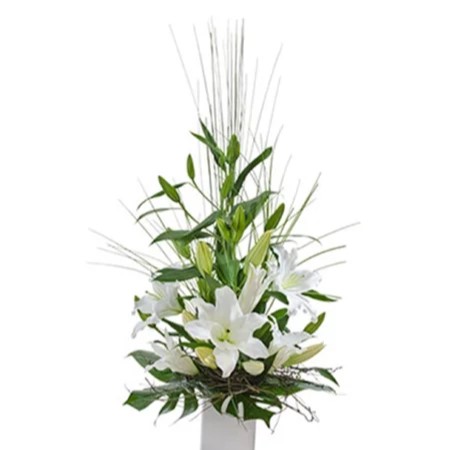
- Standing sprays and wreaths are formal service flowers, designed to carry across a room rather than be picked up and taken home afterwards.
- Modest bouquets and vase arrangements can still be sent to a service, but they read differently. They are gentler, less ceremonial, and closer in tone to what you might send to a home.
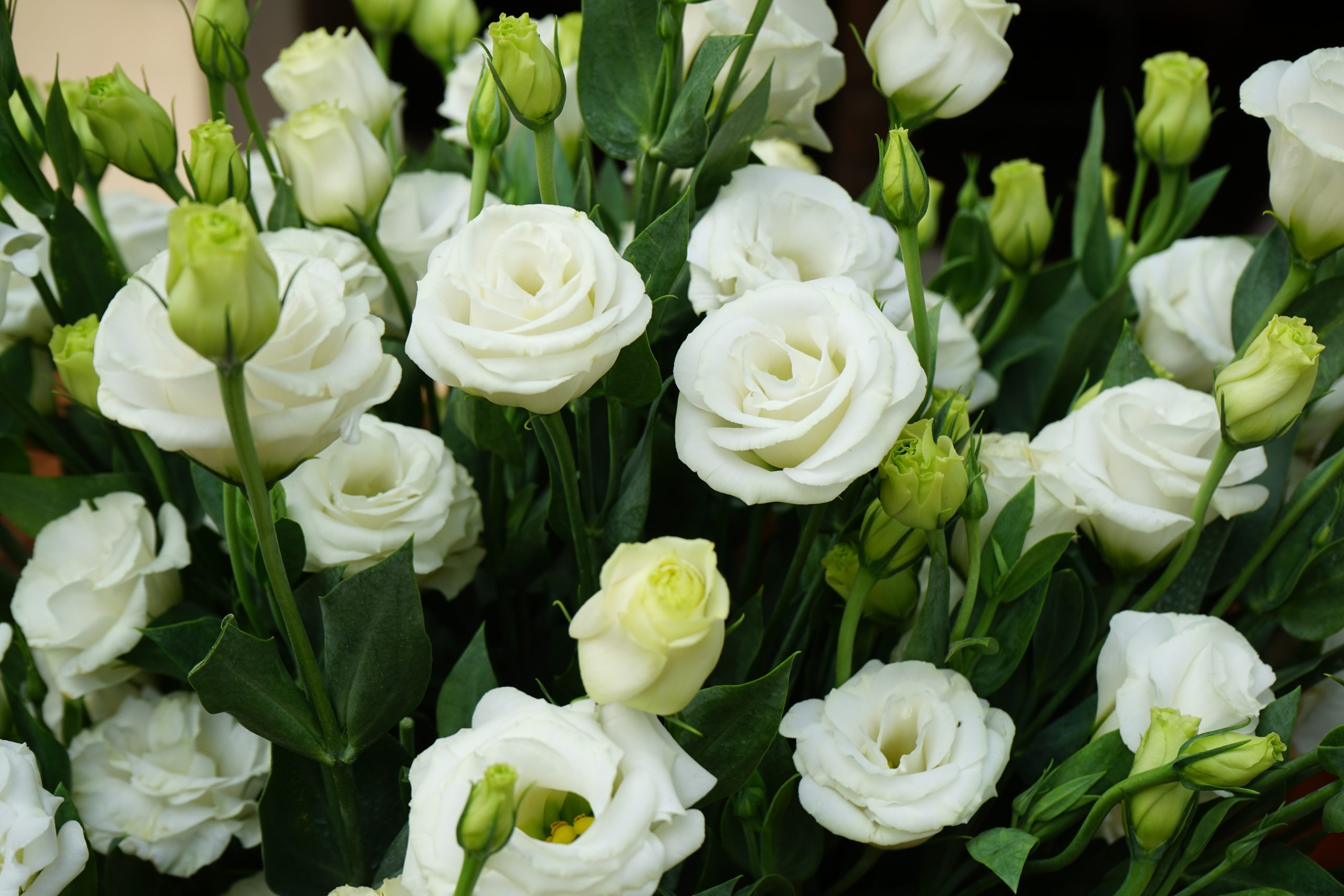
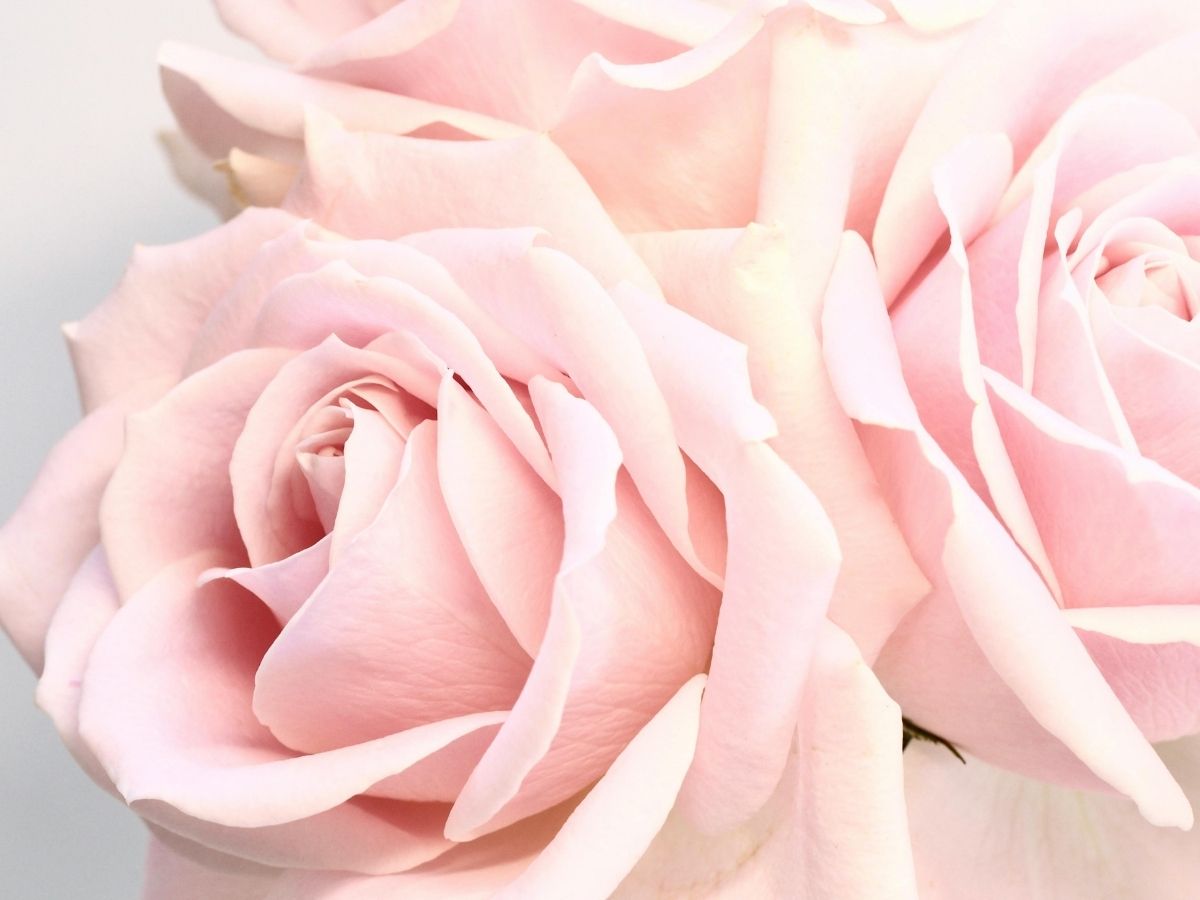
Colour and flower choice tend to stay restrained. White lilies, roses and orchids remain common funeral flowers in Australia, and softer palettes are the standard where the family has not specified otherwise. Some families want bright colour, native flowers, or something that reflects the person who died. Where that preference is known, it should be followed.
Funeral flowers sent to a venue need three things attached to the order:
- The deceased’s full name
- The venue name and address
- The service date and time
Without those details, there is a real chance the arrangement ends up matched to the wrong service or left unclaimed. Funeral notices in Australia usually include everything needed, and they are the first place to check before ordering.
What are the right sympathy flowers if there is no public service?
Sometimes there is no public funeral. Sometimes the service is private, limited to a handful of people. Sometimes the ceremony happened days ago and the moment for venue flowers has passed. In every case, sending flowers to the family home is still a sympathy gesture. It is simply a different one.
Home sympathy flowers work best when they are easy to manage. That usually means:
- Vase arrangements that can be placed straight on a bench or table
- Sheathed bouquets that are simple to unwrap and re-water
- Modest hand-tied flowers that fit through a front door without fuss
They suit a private home better than large formal tributes designed for a chapel, and they are easier for a grieving family to live with over the following days.
“The families I speak with often say the flowers that meant the most arrived after the funeral,” says Tranquil Blooms owner Sarah. “By then, the formalities are over, the house is emptier, and a delivery at the door feels like someone still remembers.”
There is no hard deadline on timing. Sending flowers before the funeral is common, but sending them in the week or two afterwards is just as appropriate. In Australia, funerals are generally held within one to two weeks of a death, though timing varies. If there is any doubt, check the notice or ask someone close to the family.

The relationship changes the scale
Closeness shapes what is appropriate. Spouses, children and parents usually choose the main flowers seen at the service. Extended family may send wreaths or standing arrangements. Friends, neighbours and work colleagues tend to send something smaller, either to the venue or to the home.
That is not a lesser gesture. For most people outside the inner circle, a well-chosen home arrangement is the more natural option. It does not compete with flowers the close family has already organised, and it does not create extra coordination on a day that is already full of logistics.
When there is any uncertainty about what to send, or where, a sympathy arrangement delivered to the family home is almost always the safest choice. Tranquil Blooms keeps a full range of sympathy flowers for exactly this purpose, designed to arrive ready to place without extra handling.

What sympathy flowers suit each situation?
| Situation | What usually suits | Where it goes | Practical note |
|---|---|---|---|
| Immediate family arranging service flowers | Casket spray, casket sheath, larger standing tribute | Funeral venue or chapel | Formal service flowers ordered for display during the ceremony |
| Extended family or close friends sending to the service | Wreath, standing spray, formal arrangement | Funeral venue or funeral director | Include the deceased’s full name and service details with the order |
| Friends, neighbours or colleagues sending support | Vase arrangement, sheathed bouquet, modest bouquet | Family home | Easier to place, water and keep after visitors leave |
| Private funeral or no service announced | Modest sympathy arrangement | Family home | Does not depend on venue access or service timing |
| Unsure what the family wants | Card first, flowers second if appropriate | Follow the family’s preference | Check the notice for “in lieu of flowers” or cultural requests |
These patterns are conventional rather than fixed. Family preference comes first, and some faiths and cultures have specific expectations. Where a notice asks for donations instead of flowers, that request should be followed.
What to write on the card?
The card does not need to carry the full weight of the moment. Short and direct is almost always better than elaborate. Messages that sit well with sympathy flowers include:
- With deepest sympathy.
- Thinking of you and your family.
- In loving memory of [Name].
- With love and condolences.
- We are so sorry for your loss.
Where you knew the person, a single personal line is enough. Where you did not, plain and respectful does the work. The SMCT condolence guidance recommends keeping card messages brief, and that instinct is sound. More detail on choosing the right words for a sympathy card is worth reading separately, particularly when the relationship was close.
Check the notice first
The funeral notice usually answers the practical questions that matter most. Before ordering, check whether it covers:
- Whether the service is public or private
- The venue, date and time
- Whether flowers are welcome
- Whether the family has asked for donations instead
- Any cultural, religious or dress expectations that shape the tone of the day
That single step prevents most of the awkwardness people feel around ordering funeral flowers. It takes two minutes, and it saves the risk of sending something that arrives at the wrong place, at the wrong time, or against the family’s wishes.
Fragrance, size and the room
Service flowers are seen from a distance. Home sympathy flowers are lived with at arm’s length. That changes how they should be made.
Large wreaths and formal tributes carry visually across a chapel or reflection space. Home flowers are better when they are moderate in size and easy to place on a dining table, kitchen bench or hallway sideboard. Strong fragrance also needs care. In enclosed rooms, lighter-scented flowers are the kinder choice. SMCT’s funeral etiquette advice for attendees recommends minimal fragrance in chapel settings, and that principle applies to floral design as well. Low-fragrance flowers are worth considering for any home setting where scent might overwhelm a smaller room.
FAQ
Not quite. Funeral flowers are usually sent to the service and become part of the ceremony. Sympathy flowers are often sent to the family home as a private gesture of support.
Send flowers to the service when they are intended for display during the funeral or memorial, especially formal tributes such as wreaths, standing sprays or casket flowers.
Yes. Flowers sent after the service can be especially meaningful in the days that follow, when formalities have ended and the home has fewer visitors.
Casket sprays are usually chosen by immediate family members and are treated as the main floral tribute on the coffin.
Include the deceased’s full name, the venue, and the date and time of the service so the flowers can be matched to the correct funeral.
Follow that request. Funeral notices in Australia often name a charity or cause if the family prefers donations instead of flowers.
White lilies, roses and orchids are commonly used, along with other soft, subdued flowers chosen to suit the family’s wishes and the setting.
Usually, yes. Home arrangements work best when they are moderate in size, simple to place, and easy to keep watered.
A note on children and pets
If flowers are being sent to a home with pets or small children, it is worth keeping arrangements out of reach. Some common cut flowers and foliage are toxic if chewed or eaten. If there is any concern about plant material and poisoning, the Poisons Information Centre can be reached in Australia on 13 11 26, at any time.